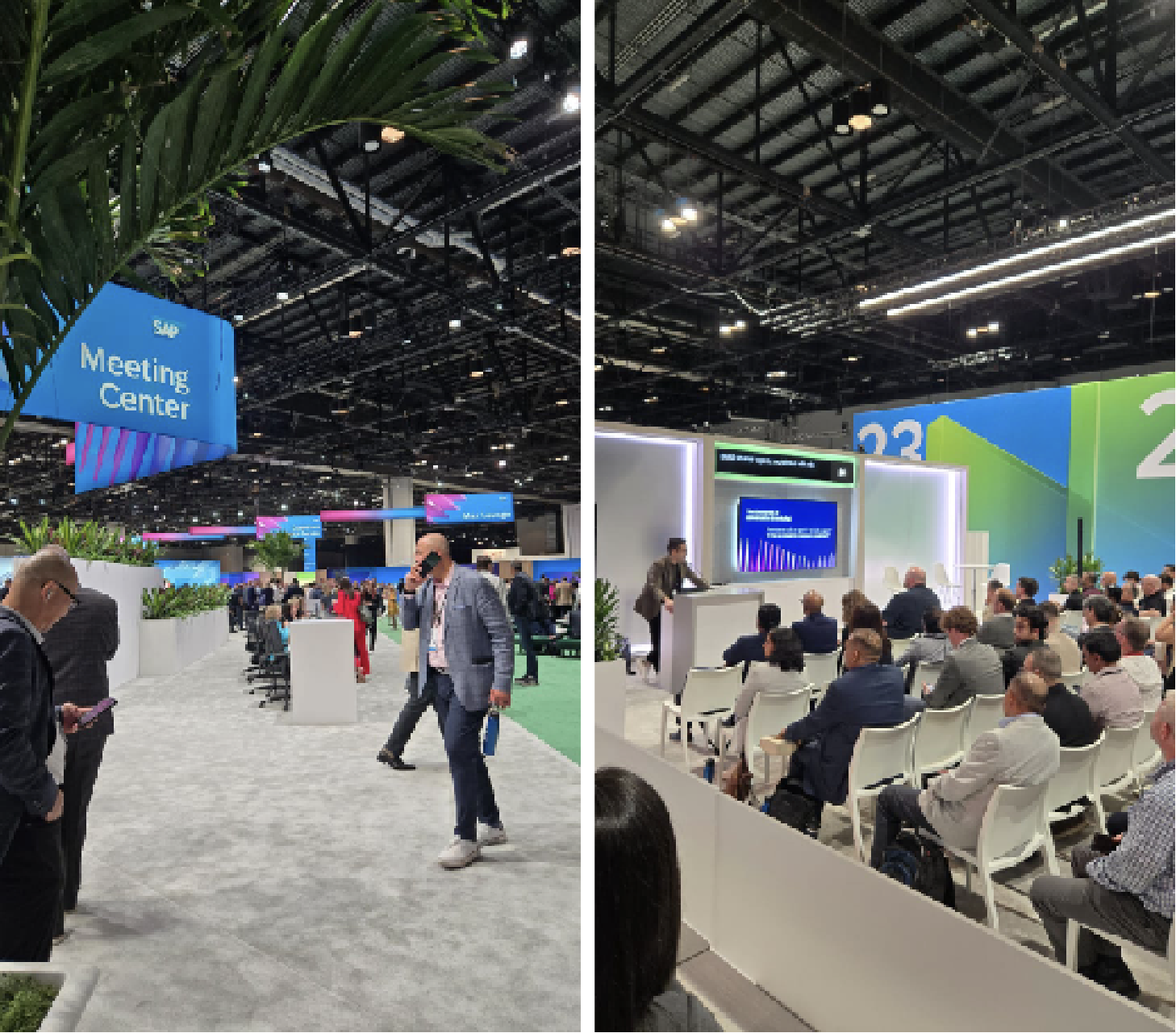
SAP’s flagship event marked the end of purely transactional technology. We analyze how the evolution toward intelligent platforms is reshaping migration projects, data governance, and competitiveness in the region.
The global corporate market is closing a historic chapter: one where software was understood as a mere tool to record data and digitalize analog processes. The recent edition of SAP Sapphire 2026 brought an inescapable reality to the forefront: tomorrow’s management systems will be measured by their ability to reason, anticipate, and resolve operations in an intelligent and unified manner.
For companies in the region, this implies a radical shift in how technology investments are planned. It is no longer about choosing a platform for its basic features, but rather for the robustness of its architecture to support a hyper-connected operation.
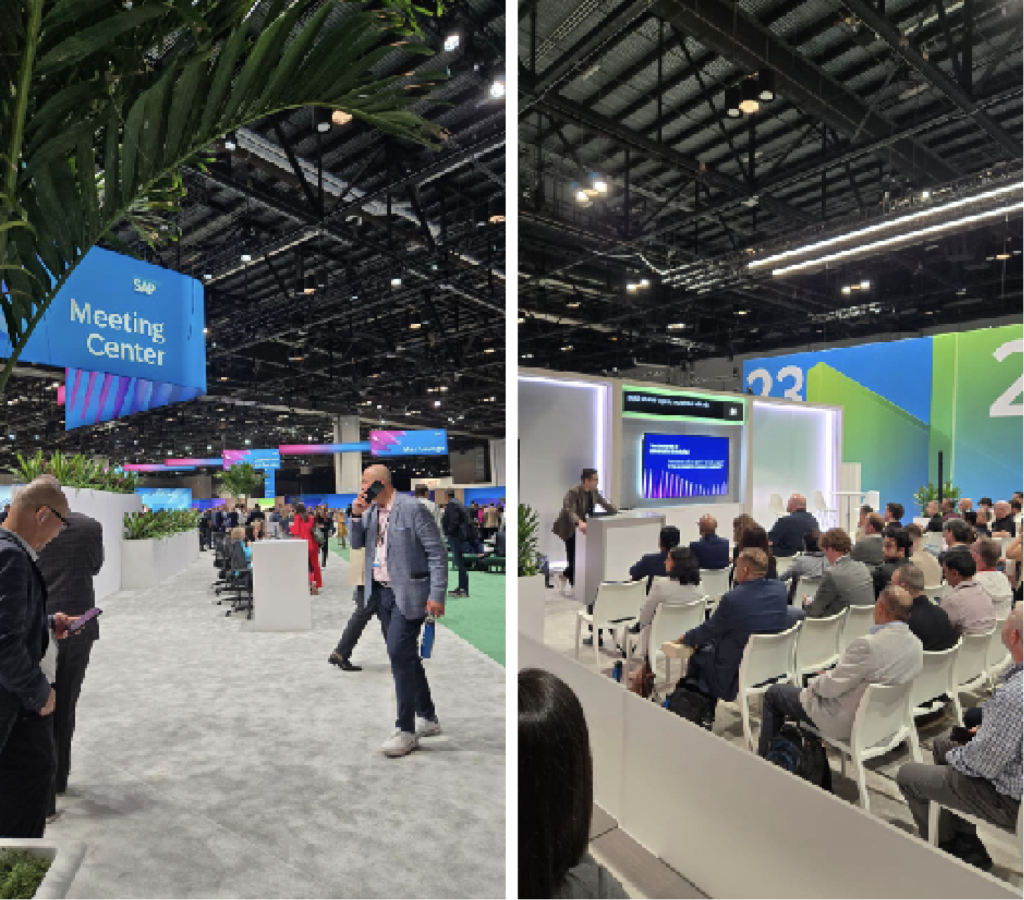
At BCI Consulting, we analyze this new landscape through three fundamental vectors of change that are transforming executive decision-making:
Return on Investment (ROI) Shifts to Operational Agility
For years, migrating to cloud systems like SAP S/4HANA Cloud was primarily justified by technological obsolescence or the reduction of physical infrastructure costs. Today, the priorities of CFOs and CIOs have changed.
The true value of modernizing a company’s digital core lies in enabling advanced automation capabilities that were previously impossible. A modern cloud ERP now serves as the indispensable foundation of clean, standardized data upon which the business can execute predictive analytics strategies and real-time optimization.
From Isolated Solutions to an Open Integration Ecosystem
One of the greatest certainties left by Sapphire is that the future of software does not belong to closed platforms. SAP’s strategy to deepen technological alliances with major cloud infrastructure and technology development providers (hyperscalers) demonstrates that companies operate in hybrid and distributed environments.
The challenge is no longer finding a single tool that does it all, but rather having the technical capability to connect legacy systems, satellite platforms, and niche solutions. In this context, SAP BTP (Business Technology Platform) establishes itself as the key piece to ensure that information flows seamlessly between different areas and industries, guaranteeing data security and consistency.
Industry Specialization as a Competitive Factor
Generic management models are losing ground to the need for rapid, specific responses. Global supply chains and local regulations demand that technology understands the rules of the game for each productive sector from day one.
The trend is decisively turning toward verticalization: solutions tailored to the specific challenges of sectors such as Healthcare, Chemicals, Mining, Oil & Gas, Consumer Packaged Goods (CPG), Agribusiness, or the Pharmaceutical industry. Companies that adopt pre-configured platforms for their vertical will not only accelerate their implementation times but will also drastically reduce custom development costs.
Building Tomorrow’s Architecture
Current technological evolution proves that the conversation is no longer exclusively technical; it is a business priority and an organizational culture shift. The companies that lead in the coming years will be those that manage to transform their rigid processes into dynamic workflows backed by reliable data.
At BCI Consulting, we accompany organizations through this transition process. We combine our experience in strategic consulting, agile implementation methodologies, and a deep understanding of local challenges to transform global trends into efficient and profitable operational realities.
The corporate landscape is being reconfigured. Contact our team of consultants and discover how to design a technological roadmap aligned with the demands of today’s market.